Carbonara in a can?
NEW Spaghetti Carbonara, available to buy NOW on Heinz to Home and wider stores from mid September
9월 중순부터 하인즈 투 홈과 더 많은 매장에서 새로운 스파게티 까르보나라를 구매하실 수 있습니다.
Taking aim at Gen Z’s tastebuds, Heinz has introduced spaghetti carbonara in a can. As you can imagine, Italians are furious.
하인즈는 Z세대의 입맛을 겨냥해 캔 스파게티 까르보나라를 출시했습니다. 상상할 수 있듯이 이탈리아 사람들은 분노했습니다.
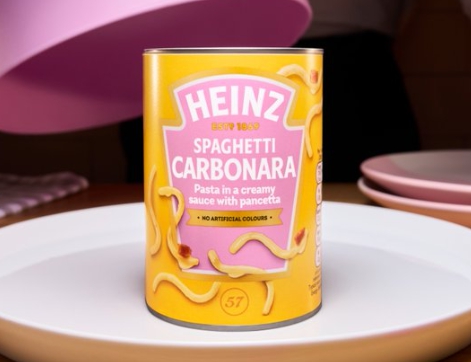
The product, set to go sale in UK supermarkets in September with a £2 price tag, contains "pasta in a creamy sauce with pancetta" and "no artificial colours".
9월에 영국 슈퍼마켓에서 2파운드라는 가격으로 판매될 예정인 이 제품의 특징은 "판체타가 들어간 크림 소스 파스타"이며 "인공 색소 없음"이라는 것입니다.
However the new product - the first tinned pasta released by the US brand in more than a decade - has been slammed by Italian chefs and carbonara fans in Italy.
하지만 이 새로운 제품은 10년 만에 미국 브랜드가 출시한 첫 번째 통조림 파스타로, 이탈리아 요리사와 이탈리아의 까르보나라 팬들의 혹평을 받았습니다.
Speaking to The Times, Alessandro Pipero of the Michelin-starred Pipero restaurant in Rome, compared the tinned carbonara to “cat food”.
타임즈 와의 인터뷰에서 로마의 미슐랭 스타 레스토랑인 피페로의 알레산드로 피페로는 통조림 까르보나라를 "고양이 사료"에 비유했습니다.
Italians on social media reacted with fury and disbelief to the news on Thursday, with many asking if it was a joke.
이탈리아 사람들은 소셜 미디어에서 분노와 믿을 수 없다는 반응을 보였고, 많은 이들은 이것이 농담 아니냐고 물었습니다.
There were no shortage of comments on social media from outraged Italians too, such as "If hell exists, it must look something like this" or "Every time a can is opened, a Roman dies".
소셜 미디어에는 "지옥이 있다면 이런 모습이겠구나" 또는 "캔을 열 때마다 로마인 한 명이 죽는다"와 같이 분노한 이탈리아인들의 댓글이 끊이지 않았습니다.
Carbonara, one of the signature dishes of Roman cuisine, is celebrated in Italy every year with Carbonara Day on 6 April.
로마 요리의 대표 요리 중 하나인 까르보나라를 기념하기 위해 이탈리아에서는 매년 4월 6일을 까르보나라의 날로 지정하여 기념하고 있습니다.
Key Ingredients
Traditional Carbonara consists of a few key ingredients:
주요 재료
전통적인 카르보나라에는 몇 가지 핵심 재료가 사용됩니다:
Pasta: Spaghetti is the most commonly used, but rigatoni or other long pasta can also be used.
파스타: 주로 스파게티(Spaghetti)나 리가토니(Rigatoni) 같은 긴 파스타가 사용됩니다.
Guanciale or Pancetta: Guanciale is cured pork jowl, while pancetta is cured pork belly. Both are integral to the dish, providing a savory depth of flavor.
판체타(Pancetta) 또는 관찰레(Guanciale): 이탈리아식 베이컨으로, 관찰레는 돼지 볼살을 사용한 염장 고기이며, 판체타는 돼지 뱃살을 사용합니다. 이 재료는 카르보나라의 풍미를 결정짓는 중요한 요소입니다.
Eggs: The recipe traditionally calls for egg yolks, though some versions may use whole eggs. The eggs create the creamy texture of the sauce.
달걀: 전통적으로 생달걀 노른자만 사용되며, 이는 파스타에 크리미한 소스를 만들어줍니다. 일부 레시피에서는 전체 달걀을 사용하기도 합니다.
Pecorino Romano Cheese: This sharp, salty cheese made from sheep's milk is a key component, adding richness to the dish.
페코리노 로마노(Pecorino Romano) 치즈: 이탈리아의 양젖 치즈로, 카르보나라의 깊은 맛과 짭짤함을 더해줍니다.
Black Pepper: Freshly ground black pepper is essential, contributing a distinct spiciness that balances the dish.
후추: 갓 갈아낸 후추는 요리의 균형을 잡아주는 매운맛을 내는 필수 요소입니다.
The canned version, by comparison, includes pasta, pepper and pancetta, but also has a long list of hard-to-pronounce ingredients, including maltodextrin and sodium ascorbate.
이에 비해 통조림 버전에는 파스타, 후추, 판체타가 들어가 있지만 말토덱스트린, 아스코르브산나트륨 등 발음하기 어려운 성분이 많이 들어 있습니다.
Cutting Pasta: Cutting pasta with scissors or a knife instead of twirling it with a fork is considered taboo in Italy. Italians believe that cutting pasta is not the proper way to eat it. Spaghetti, for example, should be twirled around the fork, and breaking this tradition can be seen as disrespectful.
파스타 자르기: 이탈리아에서는 파스타를 포크로 돌리는 대신 가위나 칼로 자르는 것은 금기시됩니다. 이탈리아인들은 파스타를 자르는 것이 제대로 먹는 방법이 아니라고 믿습니다. 예를 들어 스파게티는 포크로 돌려야 하며, 이 전통을 어기는 것은 무례한 것으로 여겨질 수 있습니다.
Putting Ketchup on Pizza: Italians dislike putting ketchup on pizza. In Italy, the key element that defines the flavor of pizza is the fresh tomato sauce, and adding ketchup is considered to ruin this traditional taste. They believe ketchup does not belong on pizza at all, and Italians may take it as an insult if someone puts ketchup on their pizza.
피자에 케첩을 뿌리는 것: 이탈리아인들은 피자에 케첩을 뿌리는 것을 싫어합니다. 이탈리아에서 피자의 맛을 정의하는 핵심 요소는 신선한 토마토 소스이며, 케첩을 뿌리면 이 전통적인 맛을 망친다고 여겨집니다. 그들은 케첩이 피자에 전혀 어울리지 않는다고 믿고, 누군가가 피자에 케첩을 뿌리면 이탈리아인들은 모욕으로 여길 수 있습니다.
These examples illustrate how passionate Italians are about their culinary traditions, and how they may react strongly when those traditions are not respected. Their pride in Italian cuisine is profound, and actions that are perceived as compromising that tradition can elicit strong responses.
이러한 사례는 이탈리아인이 요리 전통에 얼마나 열정적인지, 그리고 그 전통이 존중되지 않을 때 얼마나 강하게 반응할 수 있는지를 보여줍니다. 이탈리아 요리에 대한 그들의 자부심은 깊고, 그 전통을 훼손하는 것으로 인식되는 행동은 강한 반응을 이끌어낼 수 있습니다.
Furious
뜻: 몹시 화가 난, 격분한
예문: The customer was furious when he found out his order was wrong.
그 고객은 자신의 주문이 잘못되었다는 것을 알게 되었을 때 몹시 화가 났다.
Disbelief
뜻: 믿을 수 없음, 불신
예문: She shook her head in disbelief when she heard the news.
그녀는 그 소식을 들었을 때 믿을 수 없다는 듯이 고개를 저었다.
Savory
뜻: 맛있는, 풍미 있는
예문: The savory aroma of the roast filled the kitchen.
그 구운 요리의 맛있는 향이 부엌을 가득 채웠다.
Taboo
뜻: 금기, 금기시되는 것
예문: In some cultures, discussing money is considered taboo.
일부 문화에서는 돈에 대해 이야기하는 것이 금기시된다.
Component
뜻: 구성 요소, 성분
예문: The main component of the dish is fresh seafood.
그 요리의 주요 구성 요소는 신선한 해산물이다.
Artificial
인공의, 인위적인
예문: The cake contained no artificial colors or flavors.
그 케이크에는 인공 색소나 향료가 들어 있지 않았다.
Pronounce
뜻: 발음하다
예문: Some of the scientific terms are difficult to pronounce.
일부 과학 용어는 발음하기 어렵다.
Outraged
뜻: 격분한, 몹시 화가 난
예문: The community was outraged by the unfair treatment.
그 공동체는 불공평한 대우에 격분했다.
Perceived
뜻: 인식된, 이해된
예문: The new policy was perceived as unfair by many employees.
그 새로운 정책은 많은 직원들에게 불공평하게 인식되었다.
 홈 > 영어컨텐츠 > Today's Issue