소금의 역사와 역할
As far back as 6050 BC, salt has been an important and integral part of the world's history, as it has been interwoven into countless civilizations. Used as a part of Egyptian religious offerings and valuable trade between the Phoenicians and their Mediterranean empire, salt and history have been inextricably intertwined for millennia, with great importance placed on salt by many different cultures.
기원전 6050년까지 거슬러 올라가면 소금은 수많은 문명에 얽혀 세계 역사에서 중요하고 필수적인 부분이었습니다. 이집트의 종교적 제물과 페니키아인과 지중해 제국 사이의 귀중한 무역의 일부로 사용된 소금과 역사는 수천 년 동안 뗄래야 뗄 수 없게 얽혀 있었으며, 다양한 문화에서 소금을 매우 중요하게 여겼습니다.
Even today, the history of salt touches our daily lives. The word "salary" was derived from the word "salt." Salt was highly valued and its production was legally restricted in ancient times, so it was historically used as a method of trade and currency. The word "salad" also originated from "salt," and began with the early Romans salting their leafy greens and vegetables.
오늘날에도 소금의 역사는 우리의 일상에 닿아 있습니다. "salary"라는 단어는 "소금"이라는 단어에서 파생되었습니다. 고대에는 소금의 가치가 높았고 생산이 법적으로 제한되어 있어 역사적으로 무역과 화폐로 사용되었습니다. "salad"라는 단어도 "소금"에서 유래되었으며 초기 로마인들이 잎이 많은 채소와 야채를 소금에 절인 것에서 시작되었습니다.

One of the most significant uses of salt has been as a food preservative. In ancient times, salt was used to preserve meat, fish, and vegetables, allowing people to store food for longer periods and enabling them to travel great distances without it spoiling.
소금의 가장 중요한 용도 중 하나는 식품 방부제였습니다. 고대에 소금은 고기, 생선, 야채를 보존하는 데 사용되어 사람들이 음식을 장기간 보관할 수 있게 하고 음식이 상하지 않고 먼 거리를 여행할 수 있게 해주었습니다.
Salt also played a vital role in the economy and trade, with salt being used as currency in some parts of the world. For example, in ancient Rome, salt was a precious commodity that was used to pay soldiers, leading to the phrase "worth his salt." During the Middle Ages, salt was so valuable that it was sometimes referred to as "white gold." Salt was traded across Europe and Asia, making it a significant source of wealth for many communities.
소금은 경제와 무역에서도 중요한 역할을 했으며, 세계 일부 지역에서는 소금이 화폐로 사용되기도 했습니다. 예를 들어, 고대 로마에서 소금은 군인들에게 급여를 지급하는 데 사용되는 귀중한 상품이었으며, 이는 "worth his salt."이라는 문구로 이어졌습니다. 중세 시대에는 소금이 '백금'으로 불릴 정도로 귀한 것이었습니다. 소금은 유럽과 아시아 전역에서 거래되어 많은 지역 사회의 중요한 부의 원천이 되었습니다.
Salt was also used in ancient times as a form of payment. In fact, the word “salary” comes from the Latin word “salarium,” which was the payment given to Roman soldiers to buy salt.
소금은 고대에도 지불 수단으로 사용되었습니다. 실제로 샐러리(Salary)라는 단어는 라틴어 살라리움(Salarium)에서 유래했는데, 이는 로마 군인들이 소금을 사면 주는 대가를 의미했습니다.
The value of salt was so high in some cultures that it was even used as a form of currency. The West African kingdom of Ghana, for example, was known to trade salt for gold, which led to the development of trade routes across the Sahara desert.
일부 문화권에서는 소금의 가치가 너무 높아 화폐로 사용되기도 했습니다. 예를 들어, 서아프리카의 가나 왕국은 소금을 금과 교역하는 것으로 알려졌으며, 이로 인해 사하라 사막을 가로지르는 무역로가 개발되었습니다.
The salt trade became a major industry, and salt was transported across Europe along established trade routes. In fact, the word “salad” comes from the medieval Latin word “salata,” which means “salted.” Salting vegetables was one of the main ways to preserve them during this time.
소금 무역은 주요 산업이 되었고, 소금은 정해진 무역 경로를 따라 유럽 전역으로 운송되었습니다. 사실, "샐러드"라는 단어는 "소금에 절인"을 의미하는 중세 라틴어 "salata"에서 유래되었습니다. 야채를 소금에 절이는 것은 이 기간 동안 야채를 보존하는 주요 방법 중 하나였습니다.
In many traditional medicine practices, salt has been believed to possess healing properties. In Ayurveda, a traditional Indian medicine system, salt is used in various therapies and treatments to promote health and balance in the body. It is used in salt baths, inhalation therapies, and as a component of different medicinal preparations. Similarly, in traditional Chinese medicine, salt is considered to have cooling properties and is used to balance the body’s energy.
많은 전통 의학에서 소금은 치유력이 있다고 믿어왔습니다. 인도의 전통 의학 체계인 아유르베다(Ayurveda)에서는 소금을 다양한 치료법에 사용하여 신체의 건강과 균형을 촉진합니다. 소금 목욕, 흡입 요법 및 다양한 의약 제제의 구성 요소로 사용됩니다. 마찬가지로, 전통 중국 의학에서 소금은 냉각 효과가 있는 것으로 간주되어 신체의 에너지 균형을 맞추는 데 사용됩니다.
Salt has been associated with superstitions and folklore in different cultures. In many Western cultures, spilling salt is believed to bring bad luck, and it is often thrown over the left shoulder to ward off evil spirits. In some Eastern European traditions, placing a pinch of salt in a baby’s crib is believed to protect them from negative energy. Salt is also used in various rituals and charms to ward off evil or negative influences.
소금은 다양한 문화권의 미신 및 민속과 연관되어 왔습니다. 많은 서양 문화권에서는 소금을 쏟는 것이 불운을 불러온다고 믿고 있으며, 악령을 막기 위해 왼쪽 어깨 너머로 소금을 뿌리는 경우가 있습니다. 일부 동유럽 전통에서는 아기의 요람에 소금을 조금 넣어두면 부정적인 에너지로부터 아기를 보호한다고 여겨집니다. 소금은 또한 악이나 부정적인 영향을 막기 위해 다양한 의식과 부적에 사용됩니다.
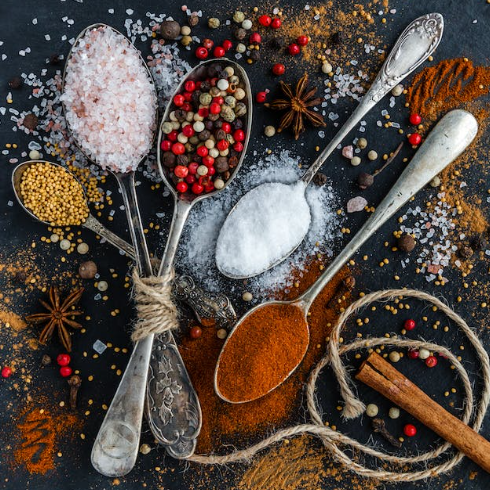
Salt in Culinary Practices
Salt is an essential ingredient in the culinary world, used to enhance flavors, preserve food, and provide a balance of taste. Its role in cooking and food preparation is indispensable, making it a fundamental component of various culinary practices.
요리에 사용되는 소금
소금은 요리 세계에서 필수적인 성분으로, 풍미를 강화하고 음식을 보존하며 맛의 균형을 유지하는 데 사용됩니다. 요리와 음식 준비에서 소금의 역할은 없어서는 안 되며, 다양한 요리법의 기본 구성 요소가 됩니다.
Enhancing Flavor: Salt is known for its ability to bring out the natural flavors of foods. It can accentuate sweetness, reduce bitterness, and enhance savory or umami taste sensations. Adding a pinch of salt to a dish can elevate its overall taste, making it more enjoyable and satisfying.
풍미 강화: 소금은 음식의 자연스러운 풍미를 이끌어내는 능력으로 잘 알려져 있습니다. 단맛을 강조하고, 쓴맛을 줄이고, 고소함이나 감칠맛을 강화할 수 있습니다. 요리에 소금 한 꼬집을 추가하면 전체적인 맛이 향상되어 더욱 즐겁고 만족스러울 수 있습니다.
Preserving Food: Salt has been used throughout history as a method of food preservation. It controls microbial growth by creating an inhospitable environment for bacteria and mold. Salting, curing, and brining are common techniques used to preserve meats, fish, and vegetables, allowing them to be stored for longer periods without spoilage.
식품 보존: 소금은 역사 전반에 걸쳐 식품 보존법으로 사용되어 왔습니다. 박테리아와 곰팡이가 살기 힘든 환경을 조성하여 미생물의 성장을 제어합니다. 염장, 염지, 절임은 고기, 생선, 야채를 보존하는 데 사용되는 일반적인 기술로, 부패 없이 장기간 보관할 수 있습니다.
Balancing Flavors: Salt plays a crucial role in balancing flavors within a dish. It can help reduce the perception of sweetness in desserts, counteract acidity in sour dishes, and balance out the richness of fatty foods. The right amount of salt can harmonize various taste elements and create a well-rounded and satisfying flavor profile.
맛의 균형: 소금은 요리 내 맛의 균형을 맞추는 데 중요한 역할을 합니다. 이는 디저트의 단맛에 대한 인식을 줄이고, 신음식의 산도를 중화하며, 지방이 많은 음식의 풍부함의 균형을 맞추는 데 도움이 될 수 있습니다. 적절한 양의 소금은 다양한 맛 요소를 조화시키고 균형 잡히고 만족스러운 맛을 만들 수 있습니다.
Tenderizing and Seasoning: Salt is often used as a tenderizing agent, especially for meats. It helps break down proteins, making meat more tender and flavorful. Additionally, salt is commonly used as a seasoning ingredient on its own or in combination with other herbs and spices to enhance the overall taste of a dish.
연화 및 양념: 소금은 특히 육류의 연화제로 자주 사용됩니다. 단백질을 분해하여 고기를 더 부드럽고 맛있게 만드는 데 도움이 됩니다. 또한 소금은 일반적으로 그 자체로 조미료로 사용되거나 다른 허브 및 향신료와 결합하여 요리의 전반적인 맛을 향상시키는 데 사용됩니다.
Textural Enhancement: Salt can also have an impact on the texture of certain foods. It can help create a crispy exterior on baked goods or roasted meats, improve the leavening process in bread, and enhance the texture of certain vegetables when used in blanching or curing processes.
질감 향상: 소금은 특정 음식의 질감에 영향을 미칠 수도 있습니다. 구운 식품이나 구운 고기의 겉을 바삭하게 만들고, 빵의 발효 과정을 개선하며, 데치거나 건조하는 과정에 사용할 때 특정 야채의 질감을 향상시키는 데 도움이 될 수 있습니다.
 홈 > 영어컨텐츠 > Today's Issue