Heat stroke is a severe form of heat-related illness that occurs when the body's temperature rises to dangerous levels, typically above 104°F (40°C), due to prolonged exposure to high temperatures or physical exertion in hot environments. It is a life-threatening condition that requires immediate medical attention, as the body's ability to regulate temperature fails.
열사병은 고온 환경에서 장시간 노출되거나 격렬한 신체 활동으로 인해 체온이 위험한 수준(일반적으로 40°C 이상)으로 상승할 때 발생하는 심각한 열 관련 질환입니다. 체온 조절 능력에 문제가 생겨 즉각적인 의료적 조치가 필요한 생명을 위협하는 상태입니다.
It means your body can no longer manage the heat and your core temperature is rising too high. You should get urgent medical help.
The signs to watch for and quickly act on:
열사병은 신체가 더 이상 더위를 견디지 못해 체온이 너무 높아지는 것을 의미합니다. 긴급한 의료 도움을 받아야 합니다.
다음 징후를 주의 깊게 살펴보고 신속하게 대처하세요:
--feeling unwell after 30 minutes of resting in a cool place and drinking plenty of water
시원한 곳에서 30분 쉬고 물을 많이 마신 후에도 몸이 좋지 않은 경우
--not sweating even while feeling too hot
너무 더운데도 땀이 나지 않는 경우
--a temperature of 40℃ or above
40℃ 이상의 체온
--fast breathing or shortness of breath
빠른 호흡 또는 숨가쁨
--feeling confused
혼란스러운 느낌
--a fit (seizure)
발작
--loss of consciousness
의식 상실
--not responsive
반응이 없음
Is there anything else bystanders can do to help that person while help is on the way?
구조대가 도착하는 동안 그 사람을 돕기 위해 주변에 있는 사람들이 할 수 있는 다른 일이 있나요?
Move the person into a shaded, cool area. Place cold, wet cloths or ice packs on the neck, armpits and groin, and soak clothing with cold water. Make sure to stay with that person until emergency service workers arrive.
그 사람을 그늘진 시원한 곳으로 옮깁니다. 차갑고 젖은 천이나 얼음팩을 목, 겨드랑이, 사타구니에 대고, 옷은 차가운 물에 적십니다. 응급 구조대원이 도착할 때까지 그 사람 곁에 머물러야 합니다.
How to avoid heatstroke
열사병을 피하는 방법
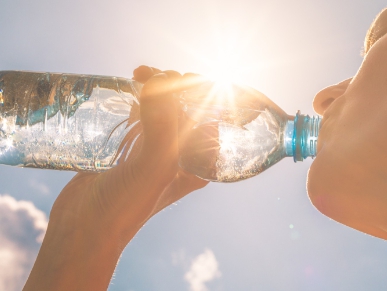
Drink plenty of water
Wear sunblock
Stay away from direct exposure, especially in the afternoons
Avoid exercise in the hottest part of the day
Wear cotton and loose clothing
Never leave anyone in a parked car
Ventilate and cool your living space
Take cool showers
Eat lightly
물을 많이 마시세요
자외선 차단제를 바르세요
특히 오후에는 직사광선에 노출되지 않도록 주의하세요.
하루 중 가장 더운 시간에는 운동을 피하세요
면소재의 헐렁한 옷을 입으세요
주차된 차에 아무도 남겨두지 마십시오
생활 공간을 환기하고 시원하게 유지하세요
시원한 샤워를 하세요
가볍게 먹으세요
Vocabulary Definitions:
Severe – Very serious or extreme.
Example: Heat stroke is a severe illness.
Meaning: "심각한"
Exertion – Physical or mental effort.
Example: Heat stroke can occur during physical exertion.
Meaning: "노력, 격렬한 활동".
Life-threatening – A situation that could cause death.
Example: Heat stroke is life-threatening.
Meaning: "생명을 위협하는".
Unconsciousness – A state where a person is not awake or aware.
Example: Loss of consciousness is a symptom of heat stroke.
Meaning: "의식 상실".
Responsive – Reacting quickly and positively.
Example: The patient is not responsive.
Meaning: "반응이 있는, 응답하는".
Ventilate – To allow fresh air to circulate.
Example: You should ventilate your living space.
Meaning: "환기시키다".
Comprehension Questions:
What causes heat stroke?
(Answer : Prolonged exposure to high temperatures or physical exertion in hot environments.)
What is one of the first steps to help someone with heat stroke?
(Answer: Move the person to a shaded, cool area.)
 홈 > 영어컨텐츠 > Today's Issue